The films
Only 200-plus Taiwanese-language films survive, but many are being restored. Of those, almost none are from the early wave of local Taiwanese opera (ko à hí or gezaixi) films that launched the industry. However, in 2013 the TNNUA discovered a surviving print of the first major Taiwanese-langugae hit, Xue Pinggui and Wang Baochuan, long thought lost. For this UK 70th anniversary event, they have prepared subtitles. As part of our focus on the crucial role of music in Taiwanese-language cinema, the TFAI has allowed us to also screen the 1962 megahit opera film, The Wandering of Three Siblings.
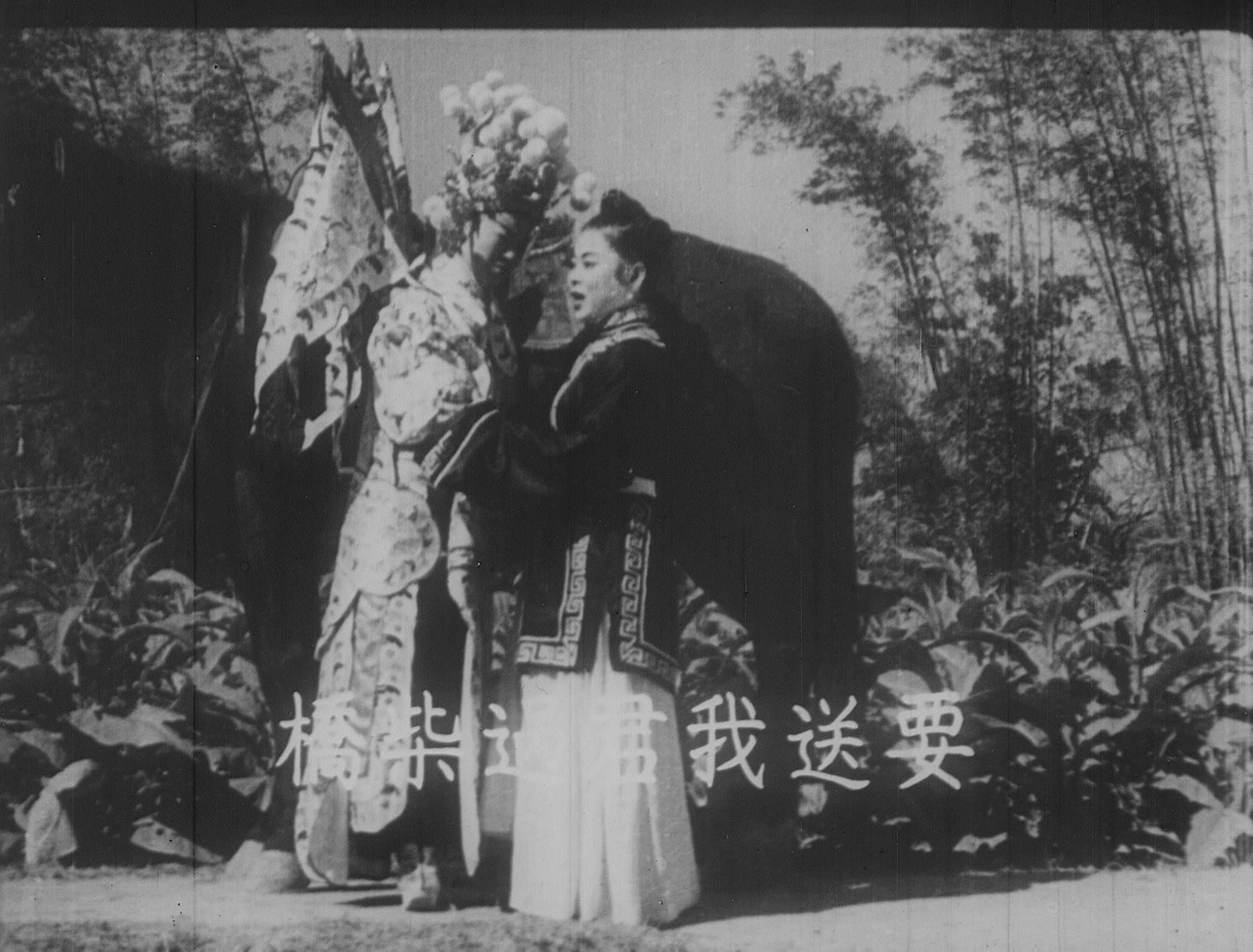
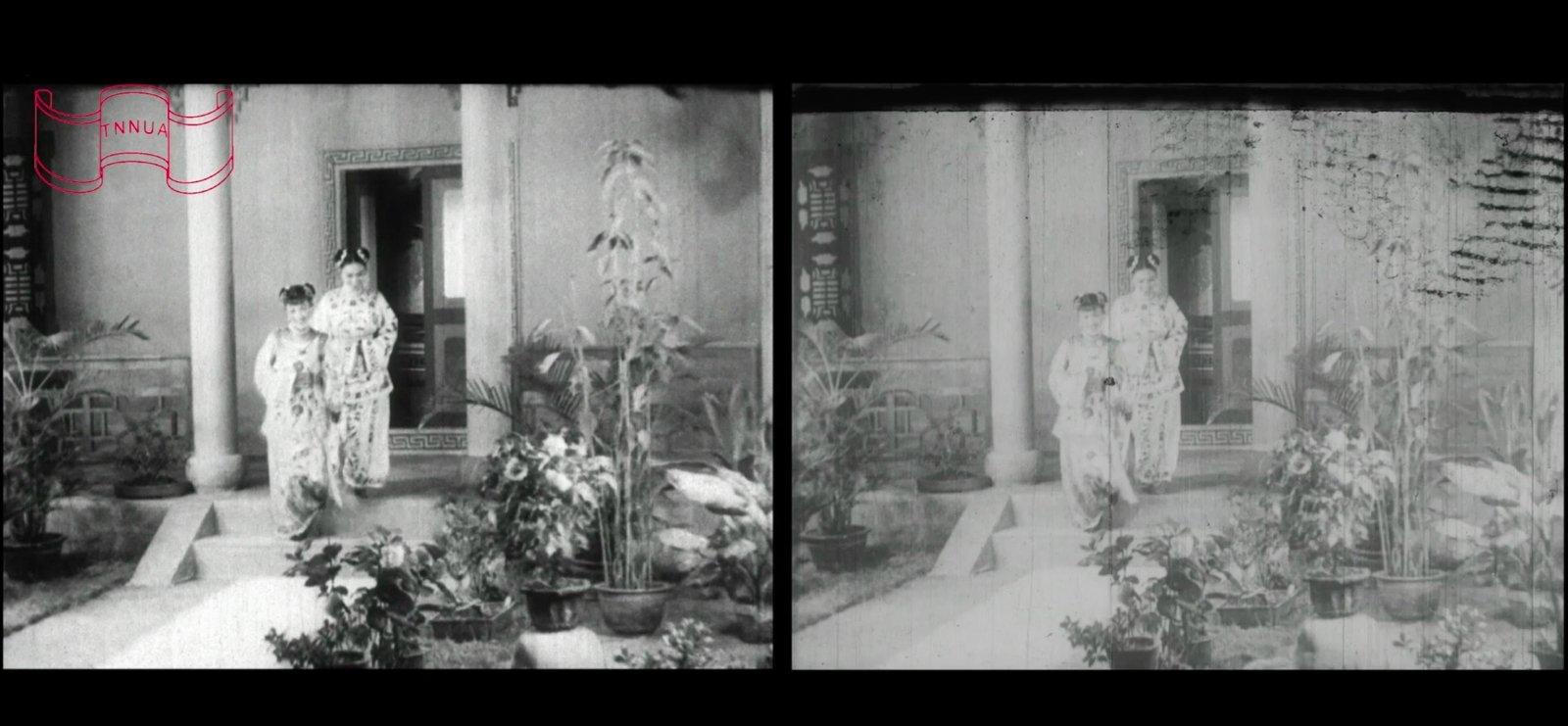
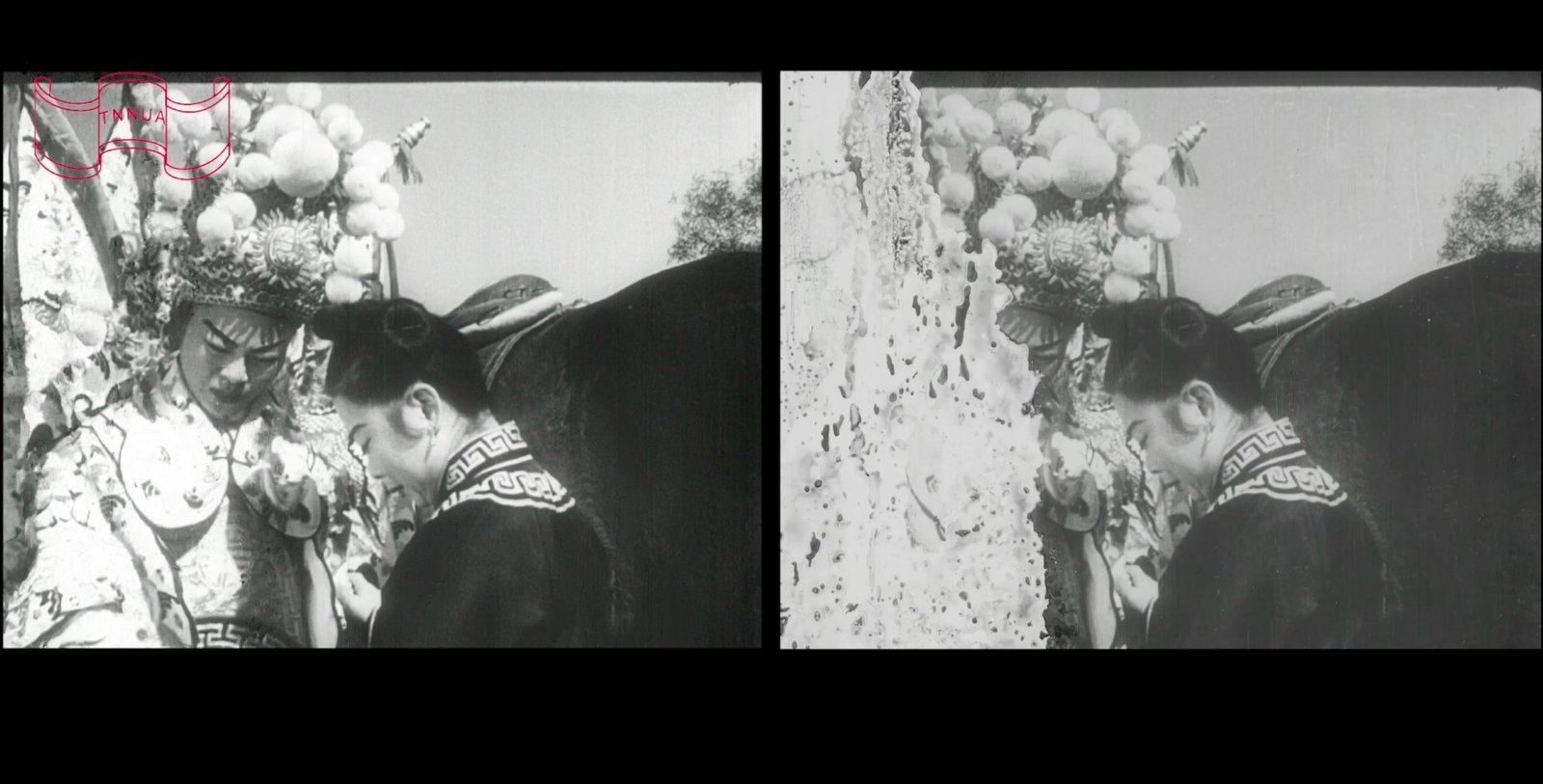
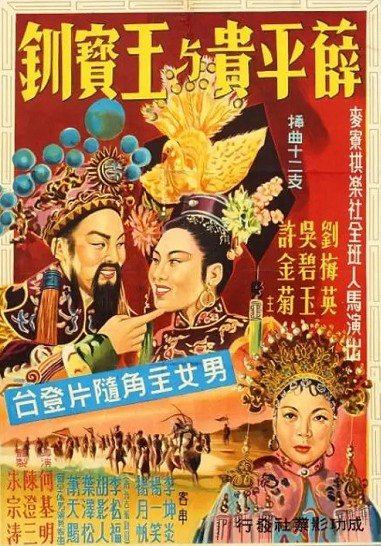
Xue Pinggui and Wang Baochuan
薛平貴與王寶釧 | He Jiming | 1956 | 94 minutes
Set in the Tang dynasty, this love story between a destitute young man and the daughter of the prime minister’s themes of marriage freedom and ambition resonate with the era when Taiwanese were determined to modernize and raise themselves out of poverty. The film captures a transitional moment in Taiwanese cinema between operatic conventions and experiments with cinematic techniques, including location shooting. The rediscovered print was dubbed in the Hakka minority language using Hakka music. It rewrites Taiwanese film history, revealing circulation between linguistic communities via adaptation and dubbing.
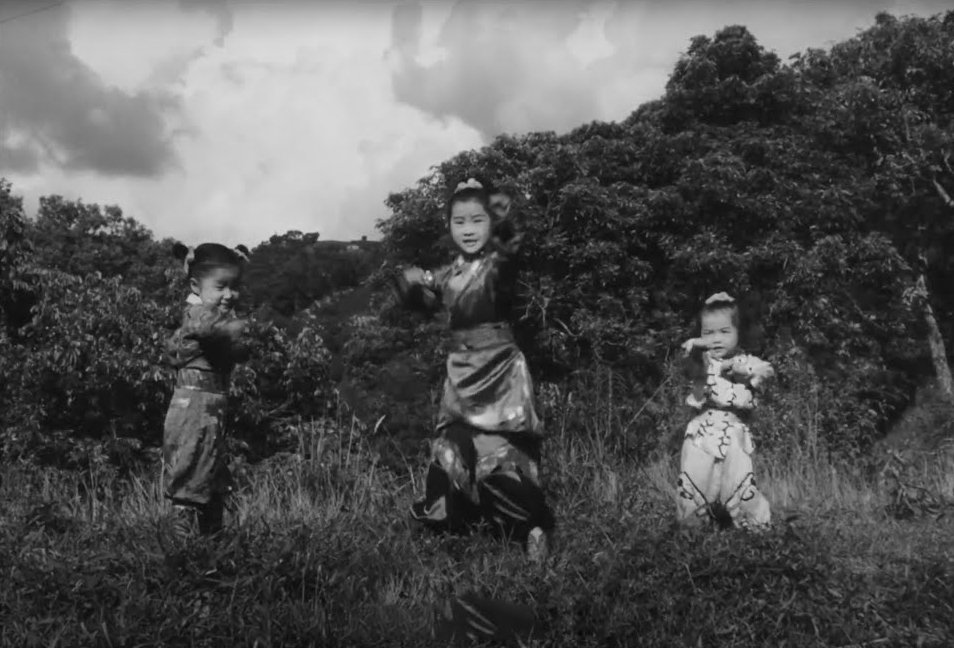
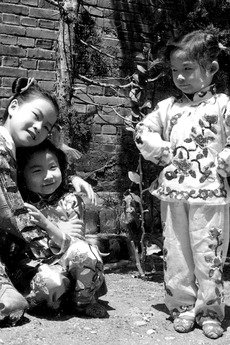
The Wandering of Three Siblings
流浪三兄妹 | Shao Luo-hui | 1962 | 95 minutes
The Wandering of Three Siblings smashed all Taiwanese box office records upon its release in late 1962. Its combination of Taiwanese-language gezaixi opera and martial arts offered both action and emotional excitement. Hanging on to traditional values of loyalty, chastity, righteousness, and familial obligation in turbulent times, as well as drawing on wuxia adventure and folk beliefs centred on worship of the goddess Mazu, the film resonated with audiences at a time when rapid social and cultural change associated with industrialization and modernization was transforming the island.
Set during the Ming dynasty, The Wandering of Three Siblings tells the story of Yang Bi-xia and her husband Yue Tian-lei, killed when the corrupt governor Zhang Nie-fu becomes obsessed with Bi-xia, whom he imprisons. Their three children are rescued during the destruction of the family escort agency and embark on a long and perilous adventure across the country in search of safety, their mother, and ultimately justice. The children eventually train in martial arts and set out to avenge their father. Bi-xia, grateful for the goddess Mazu’s protection, chooses to become a nun. Director Shao Luohui trained in Japan in the 1940s before returning to Taiwan after World War II. The film made Hsu Hsiunian, who played the eldest sibling, a child star, who grew up to become an enduring star of gezaixi opera.